
Snakes With Diamond Pattern
Snakes With Diamond Pattern - Web the western diamondback rattlesnake (crotalus atrox) is a heavy bodied snake with a triangular shaped head. Web the eastern diamondback is a dull blackish gray, brownish gray, or olive green snake with a diamond pattern down its back and black band over its eyes bordered by two white stripes. Large, diamond shaped markings of one or multiple colors. Web the diamondback water snake is the largest north american water snake. Researchers place both species in the taxonomic genus crotalus, and the viperidae family. There are two dark diagonal lines on each side of its face running from the eyes to its jaws. Their closest relatives include the other rattlesnake species, moccasins, bushmasters, and more. They are often mistaken for the poisonous variety of the ‘cottonmouth’, owing to its biting habit. It has a diamond pattern along its back and, as you probably could have guessed, a distinct rattle at the end of its tail. Web this article explores some of the many snakes with diamond patterns on their backs. It comes in different hues, such as dark brown, olive brown, olive green, or nearly all black. Five of south carolina’s six venomous snakes are pit vipers. There are two dark diagonal lines on each side of its face running from the eyes to its jaws. It has a diamond pattern along its back and, as you probably could have guessed, a distinct rattle at the end of its tail. Large blocks of color that are irregular or rectangular, often with dark borders. What you need to know. What kinds of patterns does the snake have? Researchers place both species in the taxonomic genus crotalus, and the viperidae family. Here are 12 common snakes with diamond pattern. Web the pattern on blotched or reticulated snakes that looks similar to diamonds is actually patches of color that have a rough diamond shape, but with rounded corners and slightly distorted edges. The snake is a light tan with darker brown alternating bands throughout the animal’s body. The snake is common to many of the waterways and ponds in the austin area. They are often mistaken for the poisonous variety of the ‘cottonmouth’, owing to its biting habit. It has a diamond pattern along its back and, as you probably could have. Web do you catch a snake with a diamond pattern on its body and want to identify it? Researchers place both species in the taxonomic genus crotalus, and the viperidae family. Web how to quickly identify venomous snakes. Web snakes with diamond patterns have evolved a unique defense mechanism to protect themselves against predators. It also has dark green squares. They have wide dark bands, which can be more distinct in some cottonmouths than others. Two dark diagonal lines run across the snake's face, from the eyes to jaws. Large blocks of color that are irregular or rectangular, often with dark borders. Web the snake has a greenish background with a dark diamond pattern on its back. They are often. Large blocks of color that are irregular or rectangular, often with dark borders. It has a diamond pattern along its back and, as you probably could have guessed, a distinct rattle at the end of its tail. Web the snake has a greenish background with a dark diamond pattern on its back. Researchers place both species in the taxonomic genus. What you need to know. Large, diamond shaped markings of one or multiple colors. There are two dark diagonal lines on each side of its face running from the eyes to its jaws. The tail has black and white bands just above the rattles. Web identify your snake below by filtering results based on the region you saw the snake. It has a diamond pattern along its back and, as you probably could have guessed, a distinct rattle at the end of its tail. The tail has black and white bands just above the rattles. Web the western diamondback rattlesnake (crotalus atrox) is a heavy bodied snake with a triangular shaped head. Web however, some snakes can cross this limit,. Web the diamondback water snake is the largest north american water snake. What you need to know. People refer to two species of rattlesnakes as “diamondbacks,” the eastern and the western. There are three recognized subspecies of n. It looks like a snake because it has no legs, but like all our lizards, the slender glass lizard has moveable eyelids. Web the diamondback water snake is the largest north american water snake. They are often mistaken for the poisonous variety of the ‘cottonmouth’, owing to its biting habit. Keep reading to learn more! Web there are several species of water snakes in alabama including the diamondback water snake, northern water snake, yellowbelly water snake, brown water snake, and gulf saltmarsh. They are often mistaken for the poisonous variety of the ‘cottonmouth’, owing to its biting habit. Web however, some snakes can cross this limit, and the largest recorded eastern diamondback measured a whopping 7.8 feet (2.4 m) and 34 pounds (15.4 kg). Snakes have a flat triangular head to deter predators. Most common snakes in pennsylvania. Their mesmerizing diamond patterns. It also has dark green squares on its side and a yellow belly and chin. Web the snake has a greenish background with a dark diamond pattern on its back. The snake is common to many of the waterways and ponds in the austin area. We’ll take a look at their habitats, behavior, and diet. Web the diamondback, or diamondback. Web the western diamondback rattlesnake (crotalus atrox) is a heavy bodied snake with a triangular shaped head. The diamonds are outlined in black and filled with tan or yellow scales. It comes in different hues, such as dark brown, olive brown, olive green, or nearly all black. Researchers place both species in the taxonomic genus crotalus, and the viperidae family. Large, diamond shaped markings of one or multiple colors. Web the snake has a greenish background with a dark diamond pattern on its back. Web there are several species of water snakes in alabama including the diamondback water snake, northern water snake, yellowbelly water snake, brown water snake, and gulf saltmarsh snake. There are two dark diagonal lines on each side of its face running from the eyes to its jaws. You need to have looked at a lot of snake heads to know which are. It also has dark green squares on its side and a yellow belly and chin. Web however, some snakes can cross this limit, and the largest recorded eastern diamondback measured a whopping 7.8 feet (2.4 m) and 34 pounds (15.4 kg). It looks like a snake because it has no legs, but like all our lizards, the slender glass lizard has moveable eyelids and external ear openings, both of which are lacking in snakes. We’ll take a look at their habitats, behavior, and diet. Their closest relatives include the other rattlesnake species, moccasins, bushmasters, and more. Web this article explores some of the many snakes with diamond patterns on their backs. Web nerodia rhombifer, commonly known as the diamondback water snake, is a species of nonvenomous natricine colubrid endemic to the central united states and northern mexico.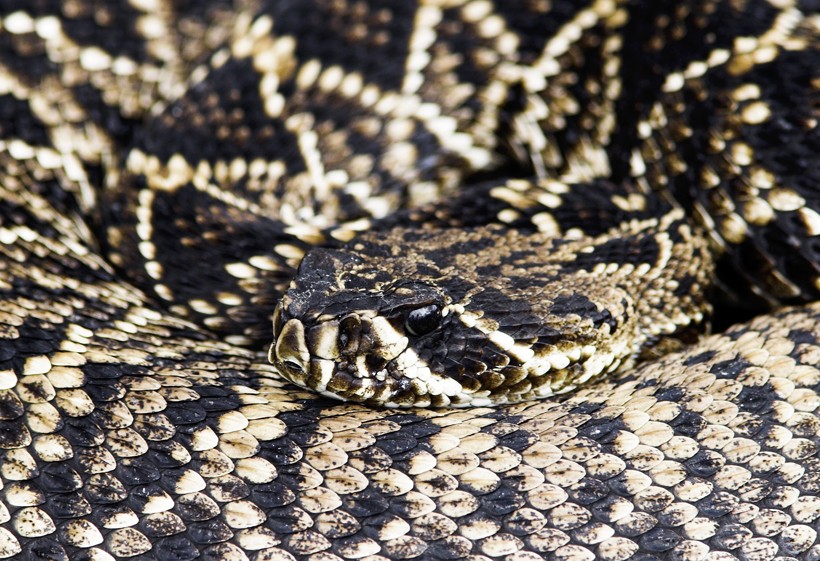
Eastern Diamondback Rattlesnake (Crotalus adamanteous) about animals

Diamond Skin Pattern of Eastern Diamond Back Rattlesnake Stock Photo
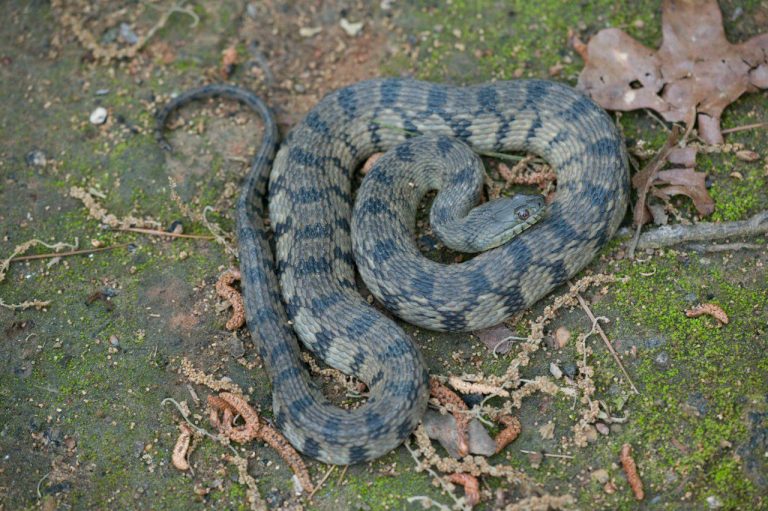
Diamondbacked Watersnake Florida Snake ID Guide
My reduced pattern Diamond Python, Cosmo. r/snakes
12 Snakes With Diamond Pattern (Pictures and Identification)
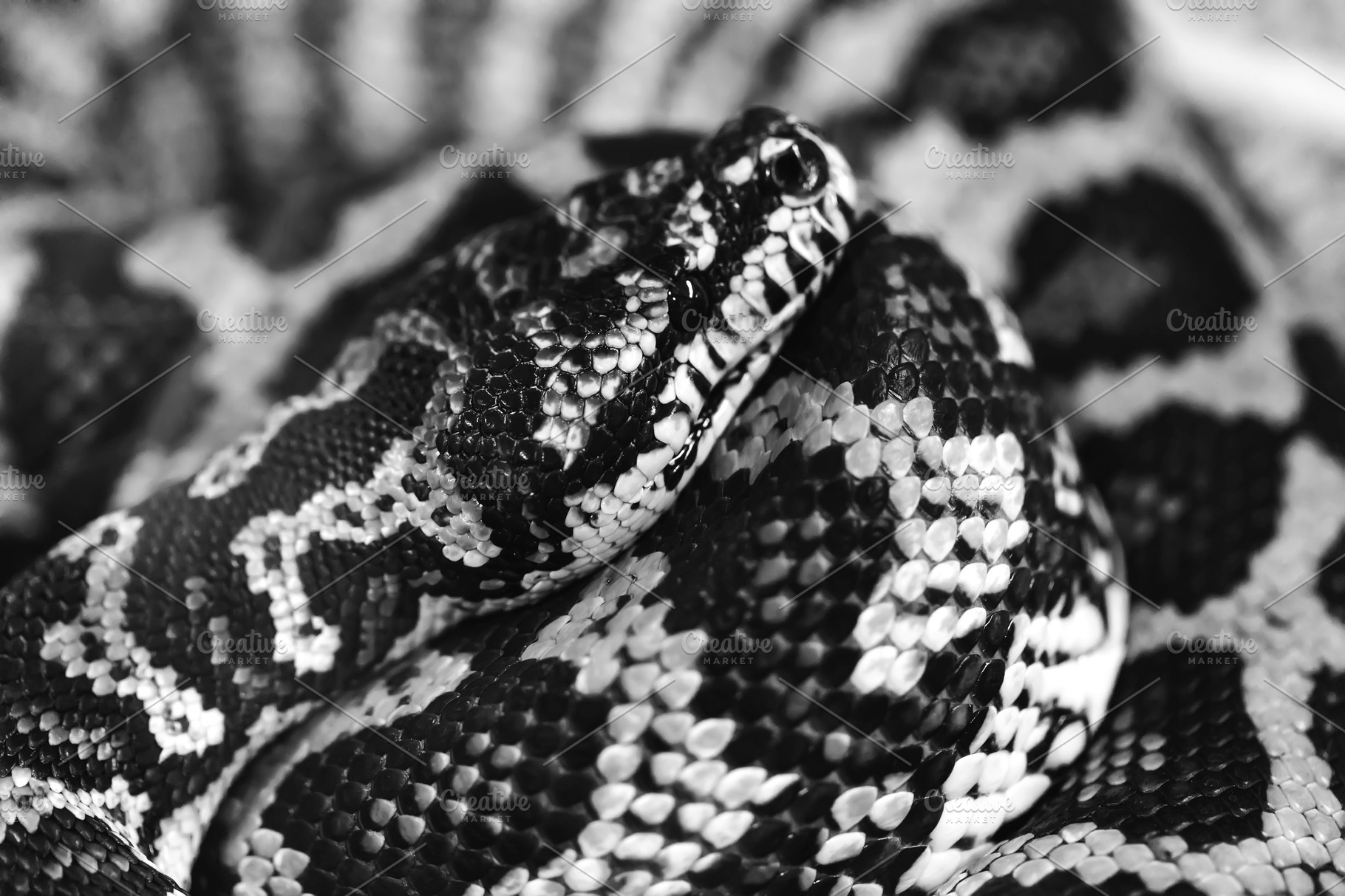
Snake diamond python in b&w key HighQuality Animal Stock Photos
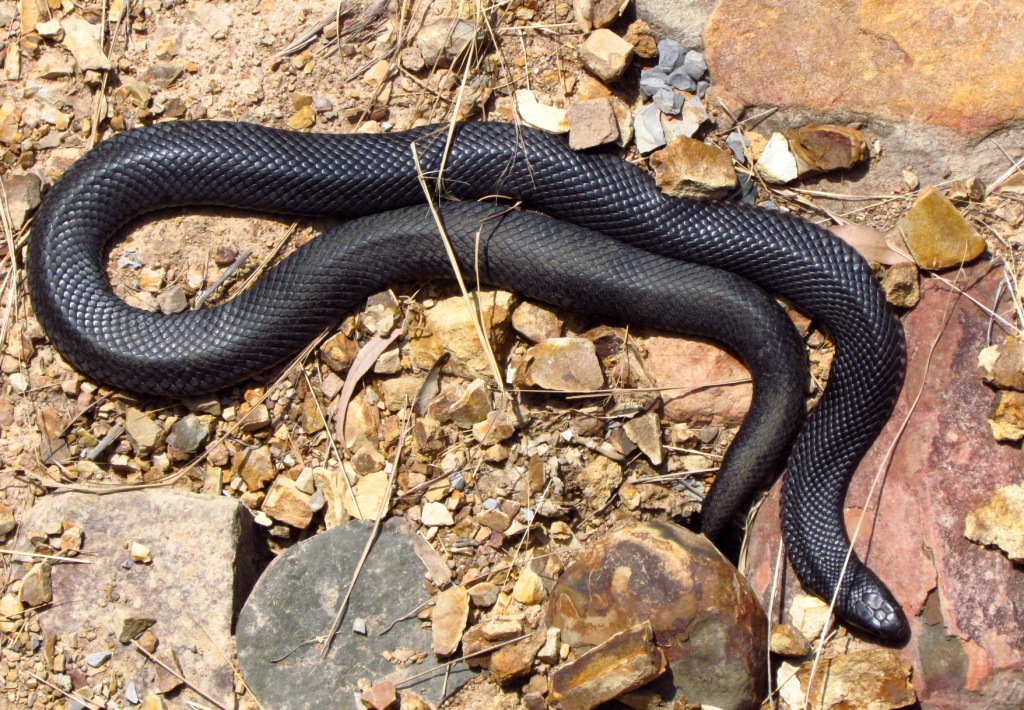
Black Diamond Ring Snake With Black Diamonds On Its Back

Eastern Diamondback pattern reference Beautiful snakes, Painted rocks

What Type of Snake Is Black With a White Diamond Outline on Its Back

13 Species of Snakes With Diamond Patterns Wildlife Informer
Two Dark Diagonal Lines Run Across The Snake's Face, From The Eyes To Jaws.
Web The Slender Glass Lizard, Which Lives Nearly Statewide In Missouri, Is An Example;
Most Common Snakes In Pennsylvania.
Web The Diamondback Water Snake Is The Largest North American Water Snake.
Related Post: