
Reciprocal Gait Pattern
Reciprocal Gait Pattern - Bring one leg onto the first step. Peroneal splints and orthopedic footwear are usually helpful. It controls hip extension and assists with. With an rgo, one leg can pass in front of the other, creating a more typical pelvic rotation. Stride is a whole gait cycle. An rgo allows the user to create reciprocal (forward and backward) movement of the legs, and to regulate their gait while walking. Certain gait abnormalities are temporary and others require lifelong management. Obliquity, hip adduction/abduction, and possibly rotation, the patient. Heel strike appears by 1 1/2 years. Web subscribe now to access 400+ patient education videos and handouts: Peroneal splints and orthopedic footwear are usually helpful. Web understanding the gait cycle allows for effective gait analysis. The recovery or improvement of ambulation after a spinal cord injury (sci) is an important goal because people who can walk independently are more likely to be able to participate in expected social roles and desired recreational activities, have a higher quality of life, and have improved health status. Walking with partial paralysis of the lower limbs. Bipedal gait requires a combination of automatic and volitional postural components. Bring one leg onto the first step. It may be accompanied by ipsilateral trunk lean with hip pain or. The resulting gait pattern is referred to as steppage gait. Web how do i do it? ‘normal gait’ is used to define a pattern which has been generalised from the general public across many variables, including age and sex [1]. Take your starting leg up to the third step. Web subscribe now to access 400+ patient education videos and handouts: You may notice an abnormal gait if you drag your toes when you walk, take high steps or feel off balance when walking. Web there are eight basic pathological gaits that can be attributed to neurological conditions: Certain gait abnormalities. It is meant to assist those with paralysis of the lower trunk, hips. Bring one leg onto the first step. Peroneal splints and orthopedic footwear are usually helpful. Parkinson’s disease may affect these patterns. Certain gait abnormalities are temporary and others require lifelong management. It may be accompanied by ipsilateral trunk lean with hip pain or. The recovery or improvement of ambulation after a spinal cord injury (sci) is an important goal because people who can walk independently are more likely to be able to participate in expected social roles and desired recreational activities, have a higher quality of life, and have improved health. Certain gait abnormalities are temporary and others require lifelong management. The recovery or improvement of ambulation after a spinal cord injury (sci) is an important goal because people who can walk independently are more likely to be able to participate in expected social roles and desired recreational activities, have a higher quality of life, and have improved health status. Should. Sometimes, an injury or underlying medical condition can cause an abnormal gait. The recovery or improvement of ambulation after a spinal cord injury (sci) is an important goal because people who can walk independently are more likely to be able to participate in expected social roles and desired recreational activities, have a higher quality of life, and have improved health. Should be asked to walk both. Web what is a reciprocating gait orthosis (rgo)? It controls hip extension and assists with. Web understanding the gait cycle allows for effective gait analysis. Obliquity, hip adduction/abduction, and possibly rotation, the patient. Heel strike appears by 1 1/2 years. An rgo can be used to treat people with paralysis due to spinal cord injury or other neurological diseases including spina bifida. It is meant to assist those with paralysis of the lower trunk, hips. Should be asked to walk both. Take a video if possible. Web a reciprocating gait orthosis (rgo) is a type of hkafo that enables a reciprocating gait pattern. Bipedal gait requires a combination of automatic and volitional postural components. With an rgo, one leg can pass in front of the other, creating a more typical pelvic rotation. Parkinson’s disease may affect these patterns. Characterized by a shorter step length and stance. Web gait is a term used to describe a walking pattern. Effective evaluation of a patient s gait requires a systematic approach to the observation of the gait. Stride is a whole gait cycle. Parkinson’s disease may affect these patterns. Obliquity, hip adduction/abduction, and possibly rotation, the patient. It may be accompanied by ipsilateral trunk lean with hip pain or. Long unobstructed hallway with low traffic. Heel strike appears by 1 1/2 years. You may notice an abnormal gait if you drag your toes when you walk, take high steps or feel off balance when walking. Stride is a whole gait cycle. Bring one leg onto the first step. An rgo can be used to treat people with paralysis due to spinal cord injury or other neurological diseases including spina bifida. Stride is a whole gait cycle. Should be asked to walk both. It may be accompanied by ipsilateral trunk lean with hip pain or. The recovery or improvement of ambulation after a spinal cord injury (sci) is an important goal because people who can walk independently are more likely to be able to participate in expected social roles and desired recreational activities, have a higher quality of life, and have improved health status. Make sure you can see the knee caps and feet. Web gait is a term used to describe a walking pattern. An rgo allows the user to create reciprocal (forward and backward) movement of the legs, and to regulate their gait while walking. Obliquity, hip adduction/abduction, and possibly rotation, the patient. A single cycle of gait starts when the heel of one foot strikes the ground and ends when that same heel touches the ground again. Heel strike appears by 1 1/2 years. Web stairs reciprocal gait (stair training, full weightbearing, reciprocal gait) stand at the bottom of the stairs. Hemiplegic, spastic diplegic, neuropathic, myopathic, parkinsonian, choreiform, ataxic (cerebellar) and sensory. Web gait is the pattern that you walk. Parkinson’s disease may affect these patterns.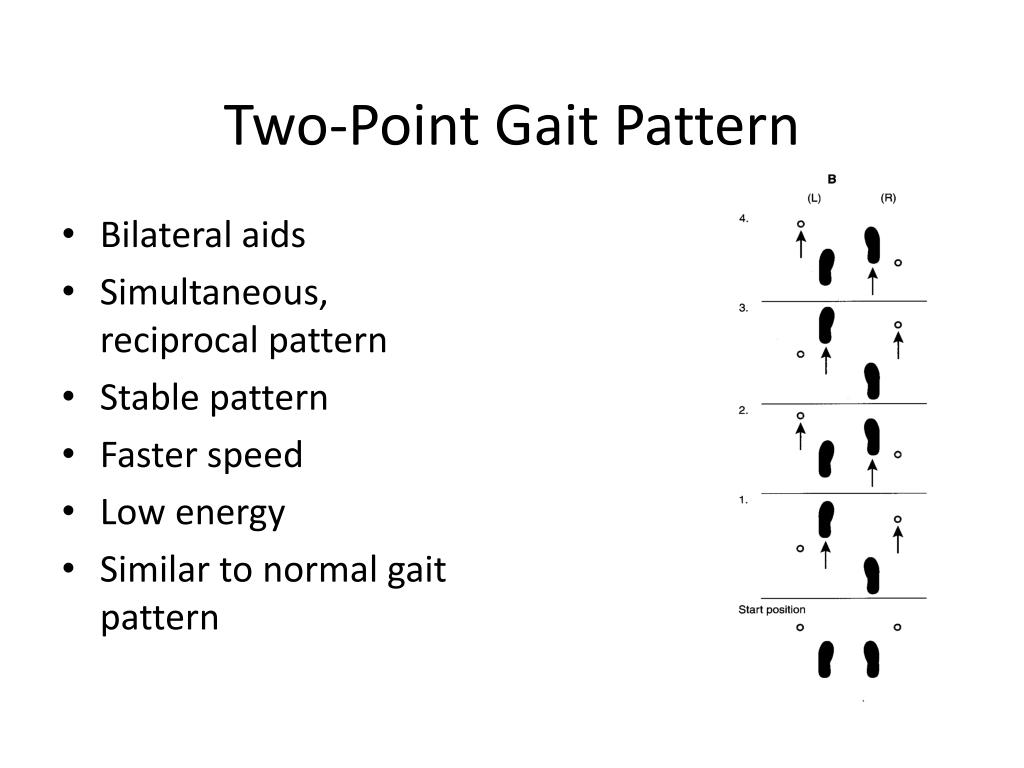
PPT Ambulation Aids Normal Gait and Abnormal Gait PowerPoint

Reciprocal Gait Pattern YouTube

Typical gait cycle is shown with isocentric reciprocating gait orthosis

Reciprocating gait arthosis
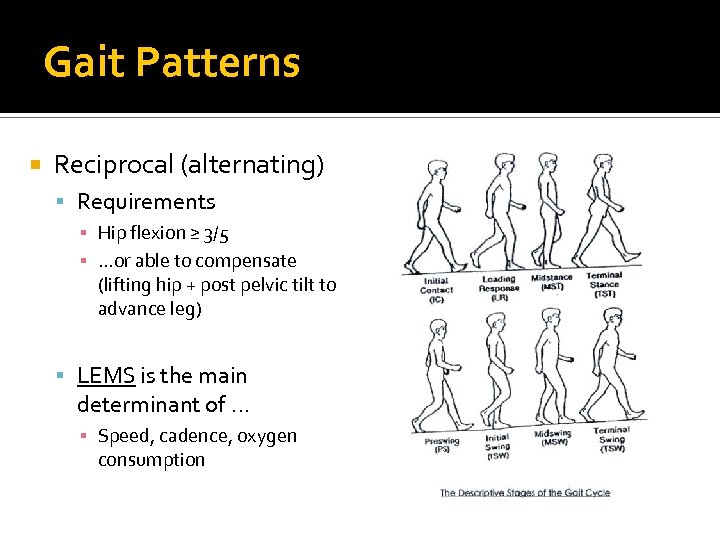
Ambulation after SCI Dr Jeff Tubbs 4 16 14

The advanced reciprocal gait orthoses used in this study. (a) ARGO with

Reciprocal Gait With Fourwheel Walker MedBridge YouTube

4 Pt Gait Reciprocal YouTube

Reciprocating gait orthosis (RGO) (a) Frontal view (b) Side view
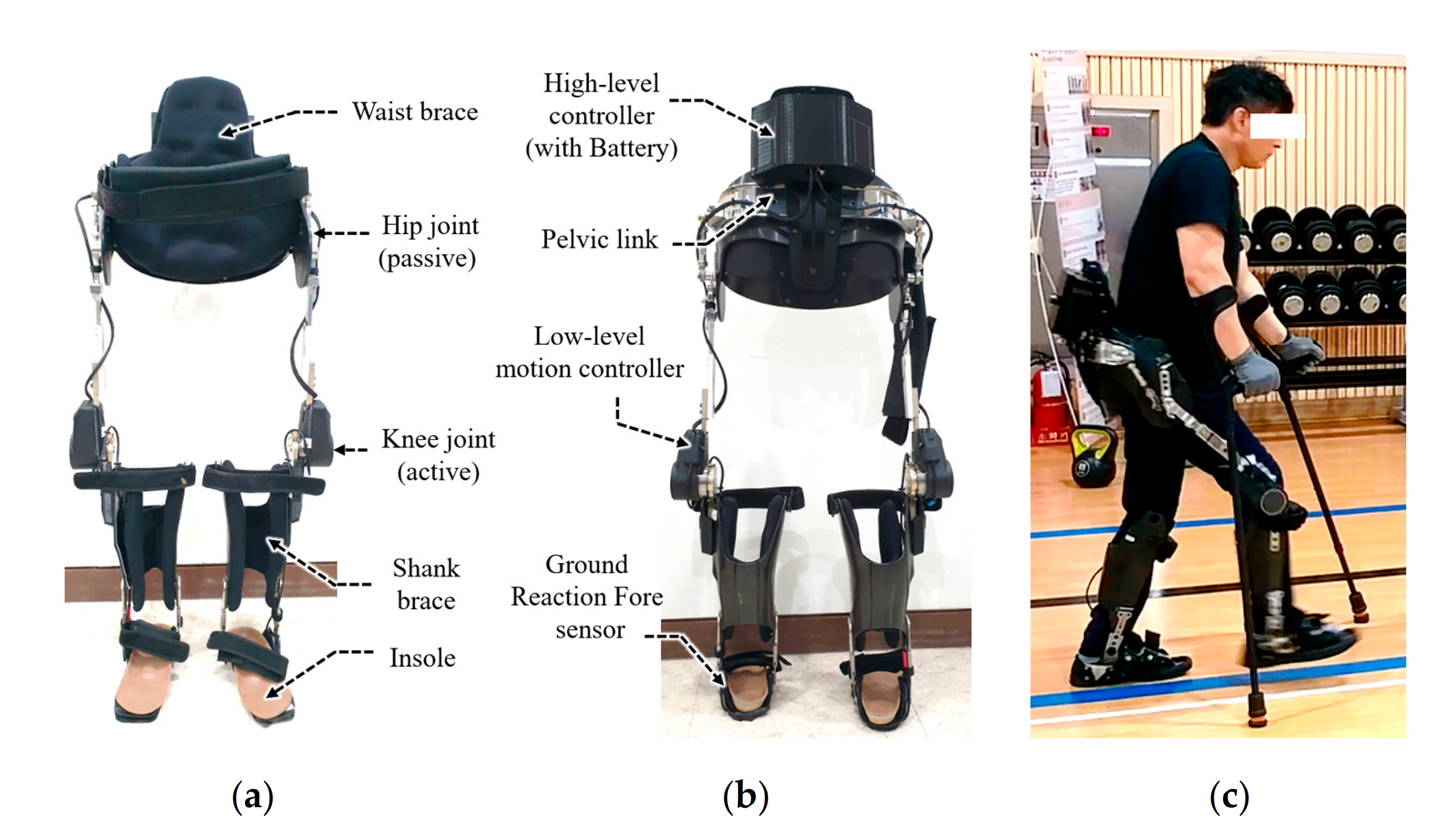
Reciprocating Gait Orthosis
Peroneal Splints And Orthopedic Footwear Are Usually Helpful.
Certain Gait Abnormalities Are Temporary And Others Require Lifelong Management.
Effective Evaluation Of A Patient S Gait Requires A Systematic Approach To The Observation Of The Gait.
It Controls Hip Extension And Assists With.
Related Post: