
Isonychia Fly Pattern
Isonychia Fly Pattern - Web here author, fly tier and blogger matt grobert is going to tie an isonychia parachute using tying materials that complement each other exceedingly well and result in a pattern that's easy to tie, elegant and functional. Although these aquatic mayflies do not inhabit all streams in great density, where they are found in abundance, they are shown great favoritism by foraging trout who will often key in on them exclusively. Web these beautiful mayfly nymphs are olympic class swimmers, and fly tiers should try to tie their isonychia fly imitations with materials that breath and move naturally in the water to mimic this trait. Previously, tim has featured a similar pattern tied by author and blogger matt grobert, and it’s interesting to compare the two. Nymph patterns can be effective, especially during concentrated hatches. It doesn’t take many to get the fish focused on them. Web tim flagler ties an excellent big mayfly pattern—size 12—in his isonychia parachute pattern, a dependable dry fly in the eastern u.s. This is part of a series of tim flagler’s collaboration with fly tyer magazine. Web trout are very conscious of all isonychia migrations and follow the nymphs into these shallow areas when safety permits. Web video illustrates how to tie an isonychia parachute. Web isonychia nymphs look and behave differently from most other mayfly nymphs, which makes identification relatively easy. For a hook, matt uses a. For a hook, i’m going to use a lightning strike df1 in size 12. Even when trout aren't actively rising. They have dark, streamlined bodies with colors ranging from dark red to brownish black. Web these beautiful mayfly nymphs are olympic class swimmers, and fly tiers should try to tie their isonychia fly imitations with materials that breath and move naturally in the water to mimic this trait. This is part of a series of tim flagler’s collaboration with fly tyer magazine. Gold ultra wire, size brassie. Previously, tim has featured a similar pattern tied by author and blogger matt grobert, and it’s interesting to compare the two. Web the isonychia nymph is a pattern that should be carried in the fly box of every traveling fly angler. Nymph patterns can be effective, especially during concentrated hatches. Web video illustrates how to tie an isonychia parachute. This dry fly belongs in your fly box from june through september when fishing michigan rivers. Web this week’s video from tightline productions shows you how to tie one of tim flagler’s “guilty pleasure” patterns, an isonychia parachute. This is part of. For a hook, i’m going to use a lightning strike df1 in size 12. Web for both the trout and fly fishers, this swimming behavior makes imitating the nymph stage of the isonychia a very important part of our fishing strategies, and flies that imitate these swimming nymphs deserve a place in every fly box east of the mississippi. Web. It doesn’t take many to get the fish focused on them. It imitates a mayfly struggling to escape from its nymphal shuck—just the kind of easy meal trout are always looking for. Web these beautiful mayfly nymphs are olympic class swimmers, and fly tiers should try to tie their isonychia fly imitations with materials that breath and move naturally in. While i likely won’t fish to an isonychia hatch in patagonia, there is a chance that i’ll be casting to trout rising to large green drakes. Below, tim ties the classic isonychia nymph, a simple pattern that tim says he’s fishing a lot with lately, and with great success. Web trout are very conscious of all isonychia migrations and follow. This dry fly belongs in your fly box from june through september when fishing michigan rivers. While i likely won’t fish to an isonychia hatch in patagonia, there is a chance that i’ll be casting to trout rising to large green drakes. Classic flies tied by eastern fly fishers years ago are enjoying a renaissance of sorts. Furthermore, you can. Web step by step tying instructions for tying our isonychia emerger pattern, as featured in our monthly fly tying subscription boxes. Nymph patterns can be effective, especially during concentrated hatches. Furthermore, you can use dyed cdc for colorful species like. Web isonychia emergers are a great pattern to fish when you see any duns hatching. Web video illustrates how to. Even when trout aren't actively rising. Gold ultra wire, size brassie. They have dark, streamlined bodies with colors ranging from dark red to brownish black. Below, tim ties the classic isonychia nymph, a simple pattern that tim says he’s fishing a lot with lately, and with great success. It imitates a mayfly struggling to escape from its nymphal shuck—just the. Web for both the trout and fly fishers, this swimming behavior makes imitating the nymph stage of the isonychia a very important part of our fishing strategies, and flies that imitate these swimming nymphs deserve a place in every fly box east of the mississippi. Web here author, fly tier and blogger matt grobert is going to tie an isonychia. Web for both the trout and fly fishers, this swimming behavior makes imitating the nymph stage of the isonychia a very important part of our fishing strategies, and flies that imitate these swimming nymphs deserve a place in every fly box east of the mississippi. They have dark, streamlined bodies with colors ranging from dark red to brownish black. Web. They have dark, streamlined bodies with colors ranging from dark red to brownish black. I fish a tandem rig with an merger and a dun pattern often with great results. While i likely won’t fish to an isonychia hatch in patagonia, there is a chance that i’ll be casting to trout rising to large green drakes. Web this version of. Web isonychia nymphs look and behave differently from most other mayfly nymphs, which makes identification relatively easy. Web ricky's isonychia nymph by ricky bassett. This is part of a series of tim flagler’s collaboration with fly tyer magazine. While i likely won’t fish to an isonychia hatch in patagonia, there is a chance that i’ll be casting to trout rising to large green drakes. Web trout are very conscious of all isonychia migrations and follow the nymphs into these shallow areas when safety permits. Although these aquatic mayflies do not inhabit all streams in great density, where they are found in abundance, they are shown great favoritism by foraging trout who will often key in on them exclusively. Classic flies tied by eastern fly fishers years ago are enjoying a renaissance of sorts. Web even if you live in a region where isonychia is not important, the tricks on display here will help you tie better parachute patterns of any kind. Web here author, fly tier and blogger matt grobert is going to tie an isonychia parachute using tying materials that complement each other exceedingly well and result in a pattern that's easy to tie, elegant and functional. Below, tim ties the classic isonychia nymph, a simple pattern that tim says he’s fishing a lot with lately, and with great success. Web the isonychia nymph is a pattern that should be carried in the fly box of every traveling fly angler. For a hook, i’m going to use a lightning strike df1 in size 12. Even when trout aren't actively rising. Web for both the trout and fly fishers, this swimming behavior makes imitating the nymph stage of the isonychia a very important part of our fishing strategies, and flies that imitate these swimming nymphs deserve a place in every fly box east of the mississippi. Previously, tim has featured a similar pattern tied by author and blogger matt grobert, and it’s interesting to compare the two. They have dark, streamlined bodies with colors ranging from dark red to brownish black.
Isonychia Wiggle Nymph William Anderson (Nymph

Matt's Isonychia Spinner Fly tying patterns, Fly tying, Fly fishing
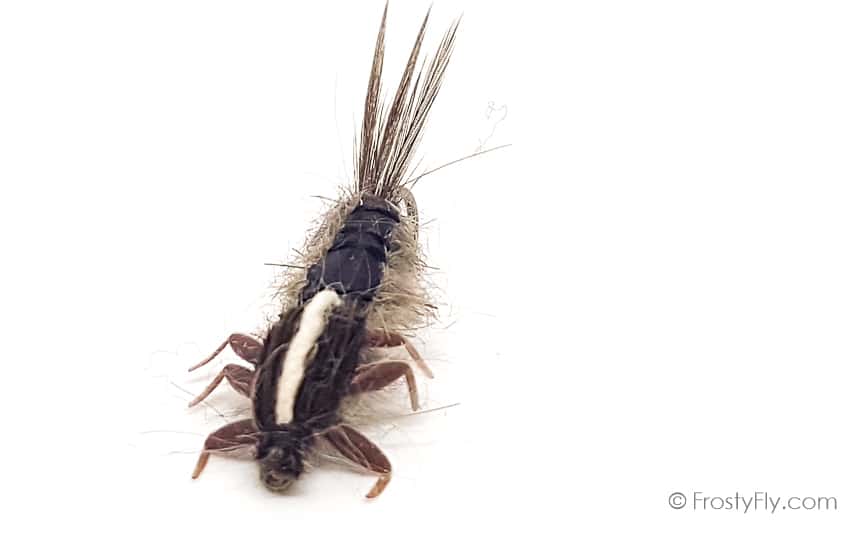
Fly Fishing Isonychia Bicolor Mayfly Pattern FrostyFly
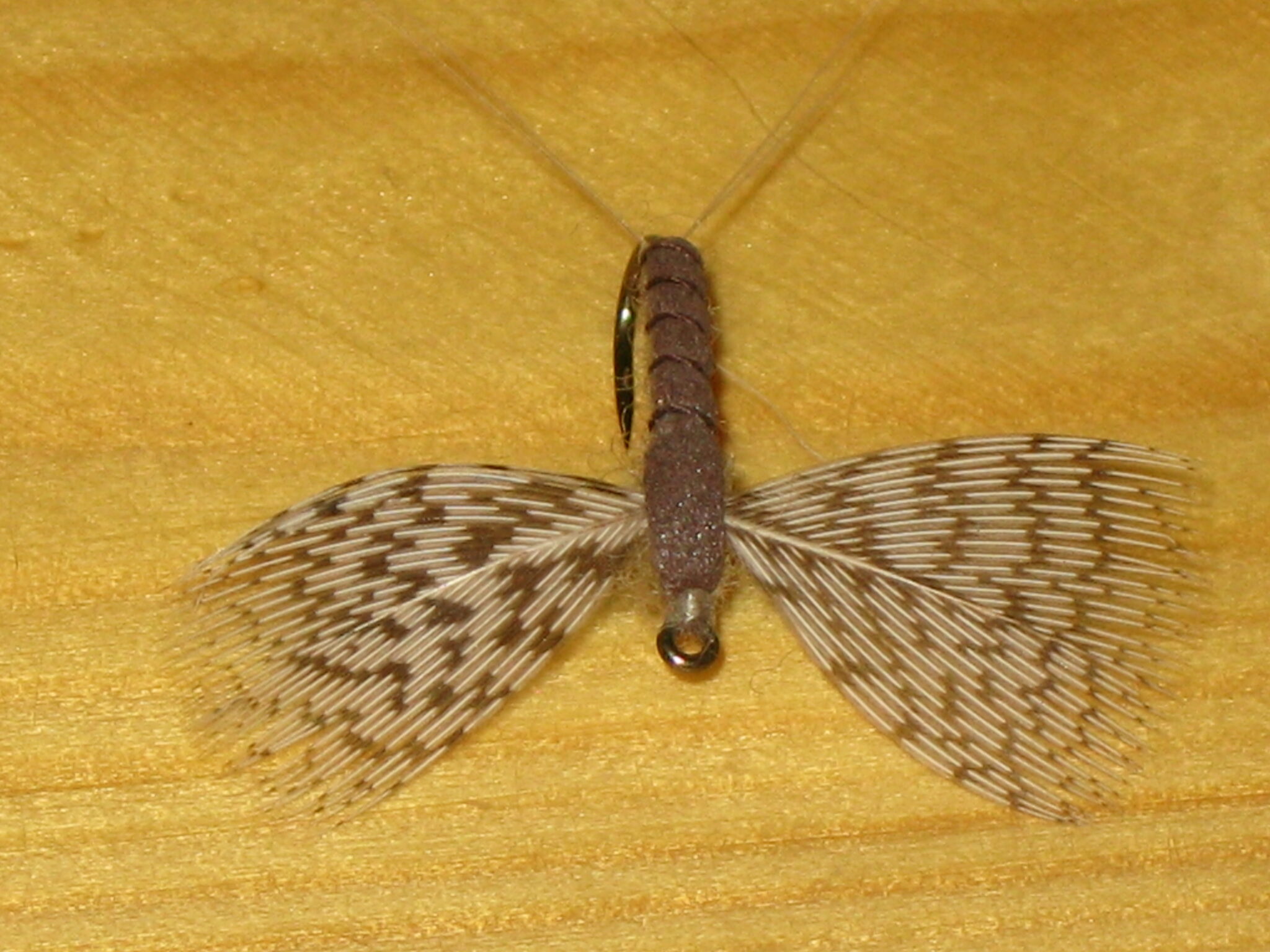
Isonychia Mayflies and Fly Pattern Fly Fishing Tips
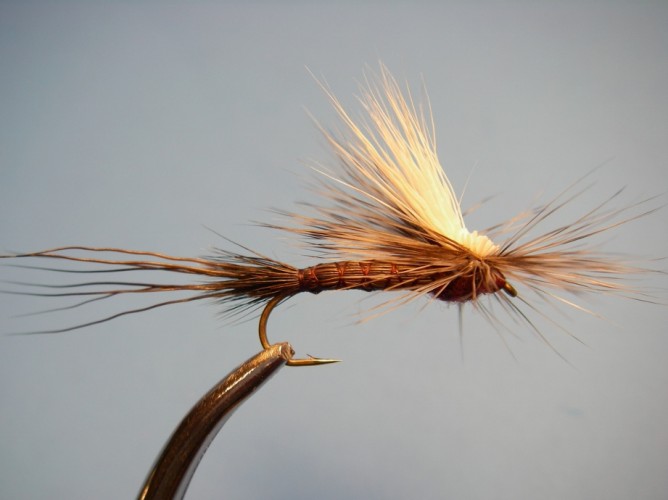
Tilt Shoot Iso Isonychia Fly Pattern Current Works Guide Service

Isonychia Mayflies and Fly Patterns for Trout
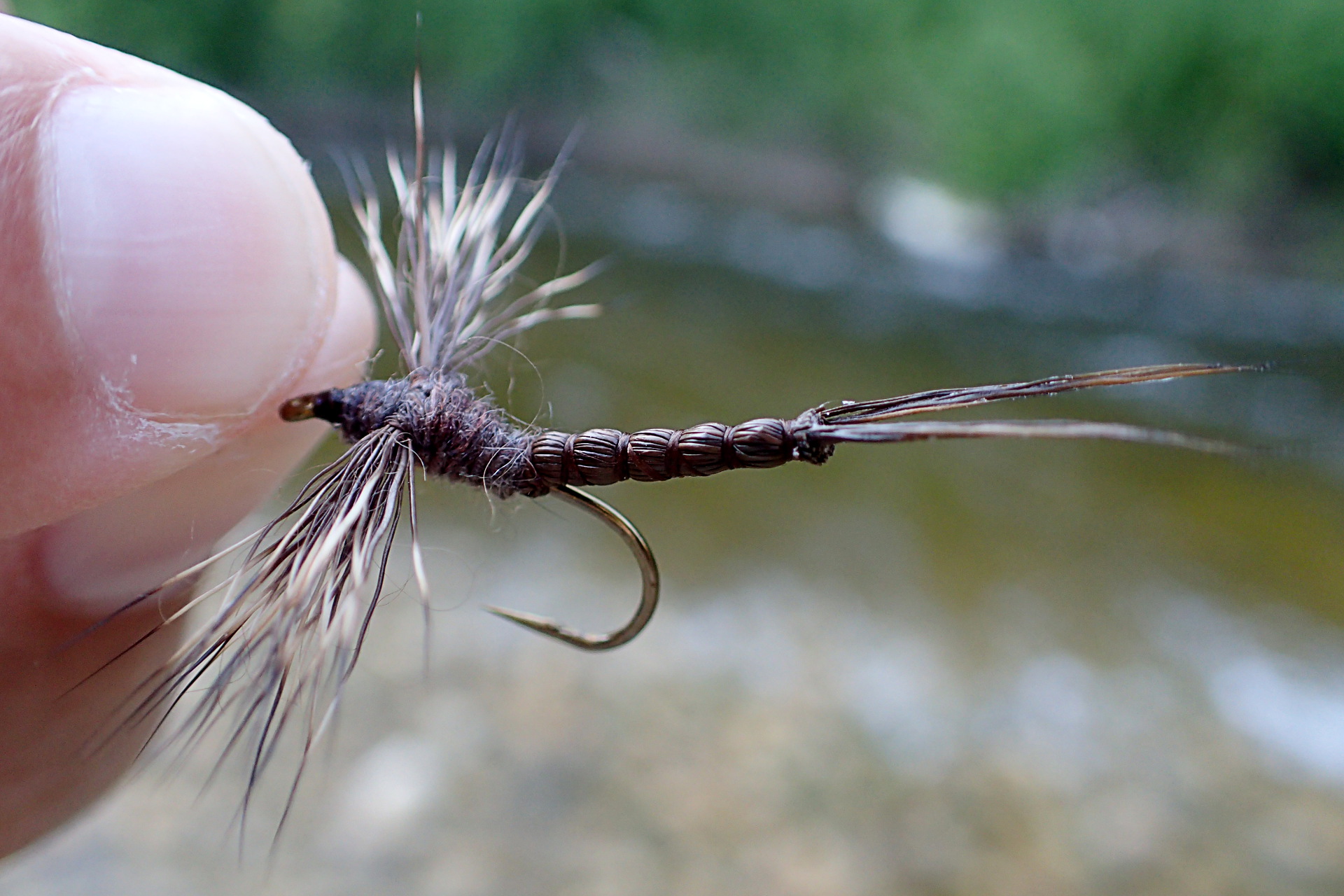
Isonychia Fly Caffeinated Fly FisherCaffeinated Fly Fisher
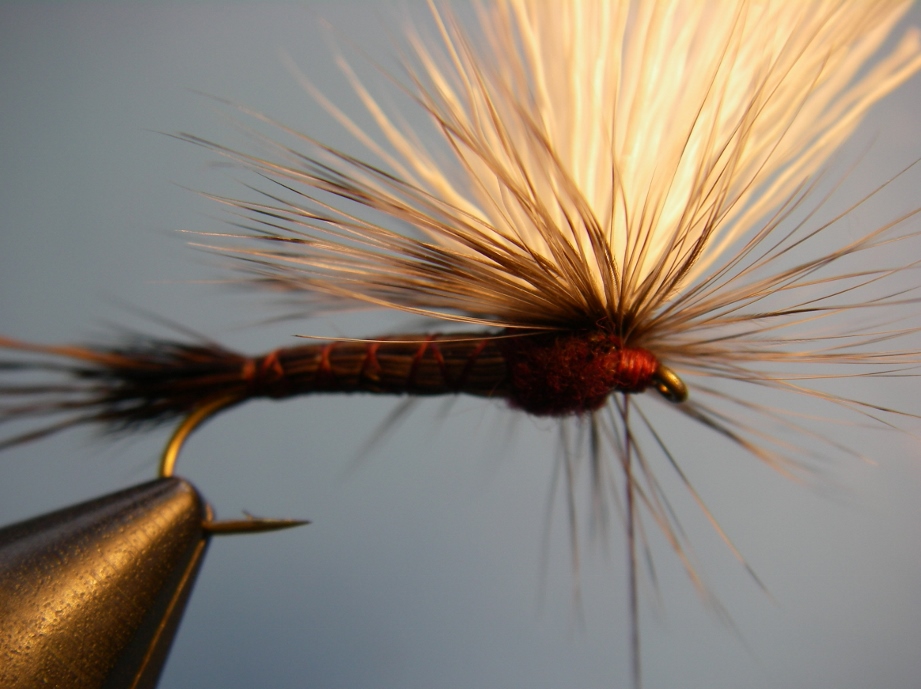
TiltShoot Iso Dry Isonychia Fly Pattern How to tie

Fly Tying How to Tie an Isonychia Nymph MidCurrent
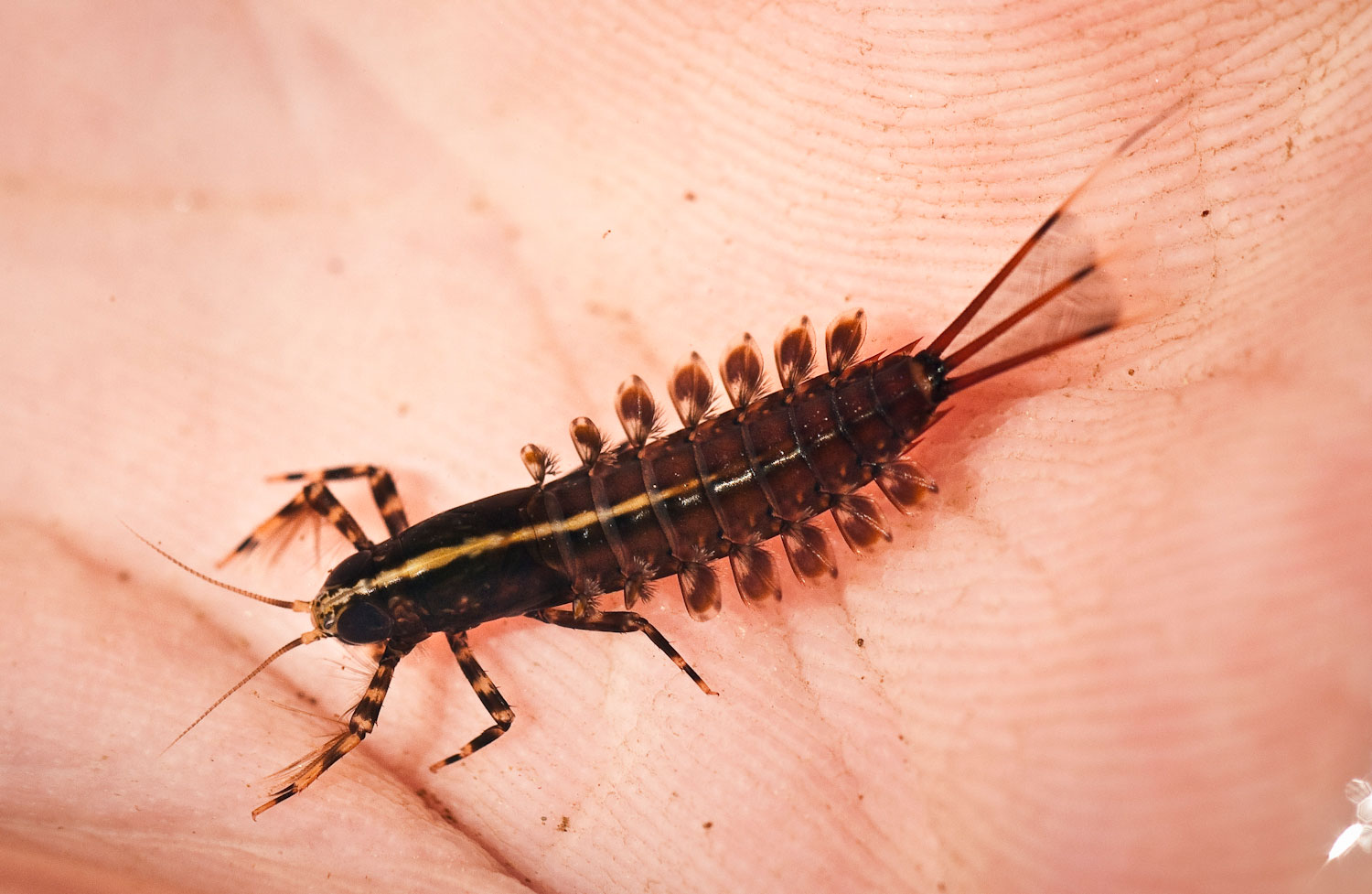
Isonychia Nymph Patterns 4 Proven Imitations Fly Fishing Gink and
Furthermore, You Can Use Dyed Cdc For Colorful Species Like.
Nymph Patterns Can Be Effective, Especially During Concentrated Hatches.
Web This Version Of The Isonychia Emerger, Also By Matt Grobert, Is Easy To Tie, Matches Several Mayfly Species, And Is Durable.
Web Tim Flagler Ties An Excellent Big Mayfly Pattern—Size 12—In His Isonychia Parachute Pattern, A Dependable Dry Fly In The Eastern U.s.
Related Post: