
D1 D2 Patterns
D1 D2 Patterns - These diagonal patterns are subdivided into d1 moving into flexion, d1 moving into extension, d2 moving into flexion, and d2 moving into extension. Web along with stretching, pnf strengthens the body through diagonal patterns, often referred to as d1 and d2 patterns. It also applies sensory cues, specifically proprioceptive, cutaneous, visual and auditory feedback, to improve muscular response. Web pnf patterning is used for the upper and lower extremities and is broken into to d1 (diagonal 1) and d2 (diagonal 2) patterns. Similarly, the lower extremity pattern encompasses the hip, knee, ankle and toes. Web shoulder pnf d1 d2 flexion. D1 and d2 motions targeting flexion and extension. This will help improve the patients strength. Web the upper and lower extremities each have two patterns: In short, the goal of using pnf patterns is to improve the neuromuscular system’s ability to coordinate movement. Web d1 & d2 patterns are part of proprioceptive neuromuscular facilitation (pnf) concepts. Pnf (proprioceptive neuromuscular facilitation) patterns of the shoulder are demonstrated in this video with the use of a resistance band. Web this video describes and shows the proper technique to perform the four basic upper extremity pnf patterns (d1 flexion, d1 extension, d2 flexion and d2 extension). The upper extremity pattern encompasses the shoulder, elbow, wrist and fingers. In short, the goal of using pnf patterns is to improve the neuromuscular system’s ability to coordinate movement. Everyday tasks and skills, from picking up a bottle of water to throwing and kicking, naturally utilize diagonal and spiral movements. It also applies sensory cues, specifically proprioceptive, cutaneous, visual and auditory feedback, to improve muscular response. Web the upper and lower extremities all have 2 separate patterns of diagonal movement for each part of the body, which are referred to as the diagonal 1 (d1) and diagonal 2 (d2) patterns. These diagonal patterns are subdivided into d1 moving into flexion, d1 moving into extension, d2 moving into flexion, and d2 moving into extension. Web pnf patterns for the upper extremity, with functional examples.aedraho.com. Pnf (proprioceptive neuromuscular facilitation) patterns of the shoulder are demonstrated in this video with the use of a resistance band. Web pnf patterns for the upper extremity, with functional examples.aedraho.com. Everyday tasks and skills, from picking up a bottle of water to throwing and kicking, naturally utilize diagonal and spiral movements. Web pnf patterning is used for the upper and. The patterns are used to improve range of motion at the joint as well as introduce resistance training. Pnf incorporates mass movement patterns that are diagonal and spiral in nature and often cross the midline of the body. Similarly, the lower extremity pattern encompasses the hip, knee, ankle and toes. Web d1 & d2 patterns are part of proprioceptive neuromuscular. Web d1 & d2 patterns are part of proprioceptive neuromuscular facilitation (pnf) concepts. These diagonal patterns are subdivided into d1 moving into flexion, d1 moving into extension, d2 moving into flexion, and d2 moving into extension. Web shoulder pnf d1 d2 flexion. D1 and d2 motions targeting flexion and extension. This will help improve the patients strength. Web pnf patterns for the upper extremity, with functional examples.aedraho.com. These diagonal patterns are subdivided into d1 moving into flexion, d1 moving into extension, d2 moving into flexion, and d2 moving into extension. Web shoulder pnf d1 d2 flexion. Similarly, the lower extremity pattern encompasses the hip, knee, ankle and toes. Everyday tasks and skills, from picking up a bottle. Similarly, the lower extremity pattern encompasses the hip, knee, ankle and toes. In short, the goal of using pnf patterns is to improve the neuromuscular system’s ability to coordinate movement. Web the upper and lower extremities all have 2 separate patterns of diagonal movement for each part of the body, which are referred to as the diagonal 1 (d1) and. Web pnf patterning is used for the upper and lower extremities and is broken into to d1 (diagonal 1) and d2 (diagonal 2) patterns. In short, the goal of using pnf patterns is to improve the neuromuscular system’s ability to coordinate movement. Web the upper and lower extremities all have 2 separate patterns of diagonal movement for each part of. These diagonal patterns are subdivided into d1 moving into flexion, d1 moving into extension, d2 moving into flexion, and d2 moving into extension. This will help improve the patients strength. Web this video describes and shows the proper technique to perform the four basic upper extremity pnf patterns (d1 flexion, d1 extension, d2 flexion and d2 extension). D1 and d2. Web d1 & d2 patterns are part of proprioceptive neuromuscular facilitation (pnf) concepts. Pnf (proprioceptive neuromuscular facilitation) patterns of the shoulder are demonstrated in this video with the use of a resistance band. The patterns are used to improve range of motion at the joint as well as introduce resistance training. Similarly, the lower extremity pattern encompasses the hip, knee,. Pnf (proprioceptive neuromuscular facilitation) patterns of the shoulder are demonstrated in this video with the use of a resistance band. Web d1 & d2 patterns are part of proprioceptive neuromuscular facilitation (pnf) concepts. These diagonal patterns are subdivided into d1 moving into flexion, d1 moving into extension, d2 moving into flexion, and d2 moving into extension. D1 and d2 motions. Web pnf patterns for the upper extremity, with functional examples.aedraho.com. Web the upper and lower extremities all have 2 separate patterns of diagonal movement for each part of the body, which are referred to as the diagonal 1 (d1) and diagonal 2 (d2) patterns. It also applies sensory cues, specifically proprioceptive, cutaneous, visual and auditory feedback, to improve muscular response.. Pnf incorporates mass movement patterns that are diagonal and spiral in nature and often cross the midline of the body. Web along with stretching, pnf strengthens the body through diagonal patterns, often referred to as d1 and d2 patterns. The upper extremity pattern encompasses the shoulder, elbow, wrist and fingers. Web the upper and lower extremities each have two patterns: Web this video describes and shows the proper technique to perform the four basic upper extremity pnf patterns (d1 flexion, d1 extension, d2 flexion and d2 extension). Web pnf patterns for the upper extremity, with functional examples.aedraho.com. It also applies sensory cues, specifically proprioceptive, cutaneous, visual and auditory feedback, to improve muscular response. Pnf (proprioceptive neuromuscular facilitation) patterns of the shoulder are demonstrated in this video with the use of a resistance band. Everyday tasks and skills, from picking up a bottle of water to throwing and kicking, naturally utilize diagonal and spiral movements. These diagonal patterns are subdivided into d1 moving into flexion, d1 moving into extension, d2 moving into flexion, and d2 moving into extension. D1 and d2 motions targeting flexion and extension. Web shoulder pnf d1 d2 flexion. The patterns are used to improve range of motion at the joint as well as introduce resistance training. Web the upper and lower extremities all have 2 separate patterns of diagonal movement for each part of the body, which are referred to as the diagonal 1 (d1) and diagonal 2 (d2) patterns. Web pnf patterning is used for the upper and lower extremities and is broken into to d1 (diagonal 1) and d2 (diagonal 2) patterns. Similarly, the lower extremity pattern encompasses the hip, knee, ankle and toes.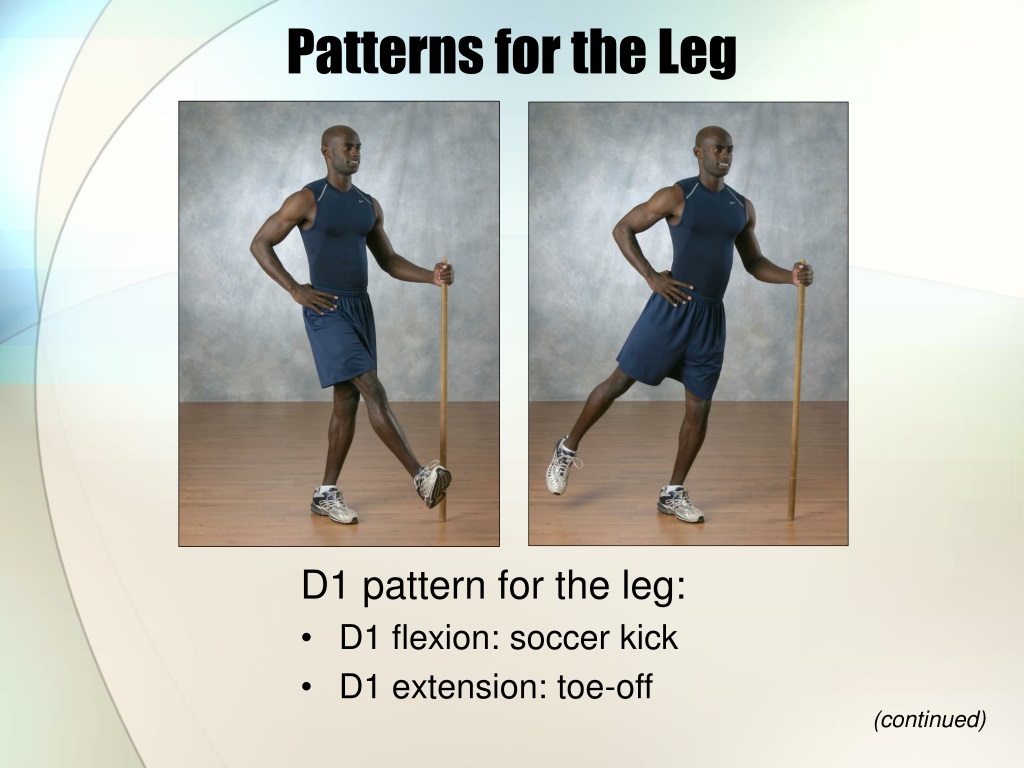
PPT Using the Spiral Diagonal Patterns of PNF PowerPoint
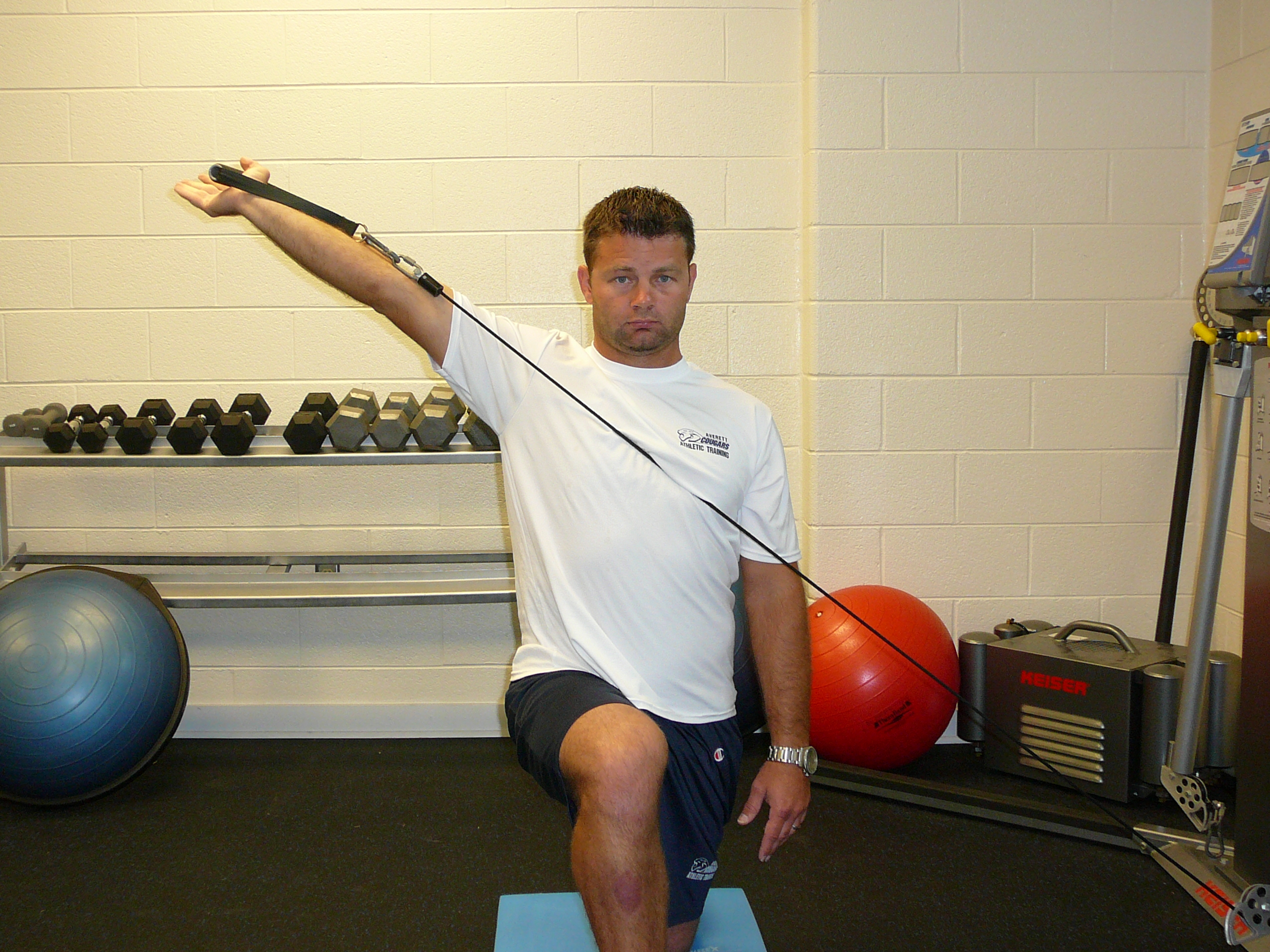
Proprioceptive Neuromuscular Facilitation The Foundation of Functional

Variations of D1 & D2 Shoulder Strengthening Patterns YouTube

LE D1&D2 Flexion/Extension PNF patterns YouTube
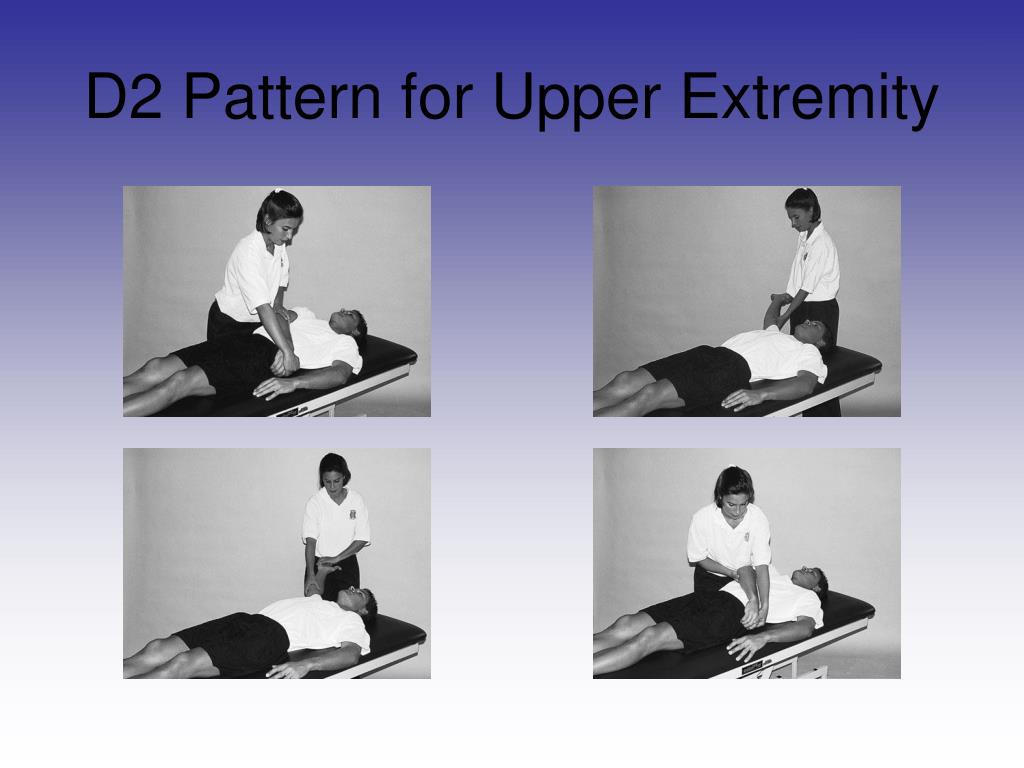
PPT Chapter 15 PNF and Other Soft Tissue Mobilization Techniques in
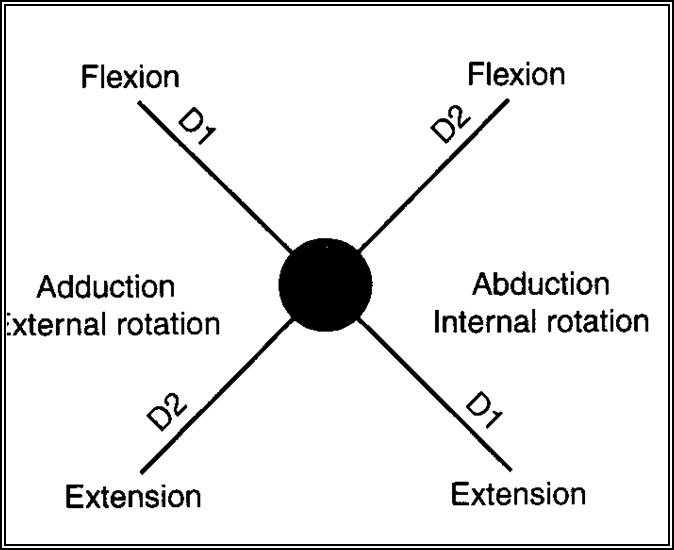
Proprioceptive Neuromuscular Facilitation Therapeutic Exercise in

Proprioceptive Neuromuscular Facilitation The Foundation of Functional
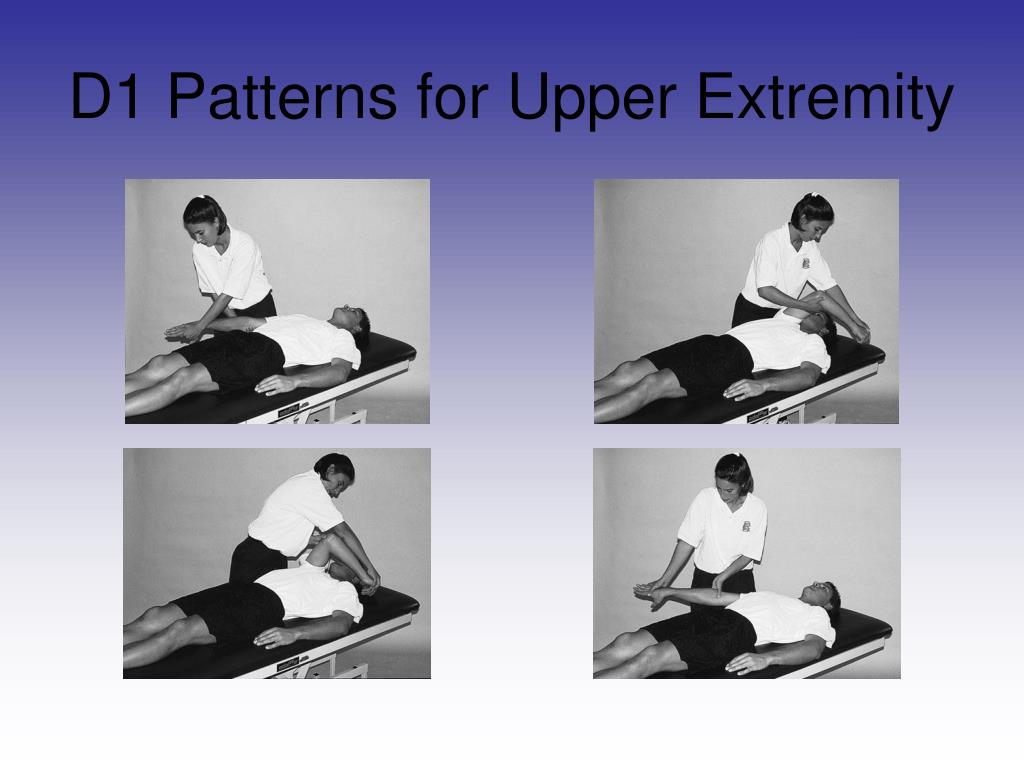
PPT Chapter 15 PNF and Other Soft Tissue Mobilization Techniques in

Shoulder rehabilitation often includes TheraBand exercises. One
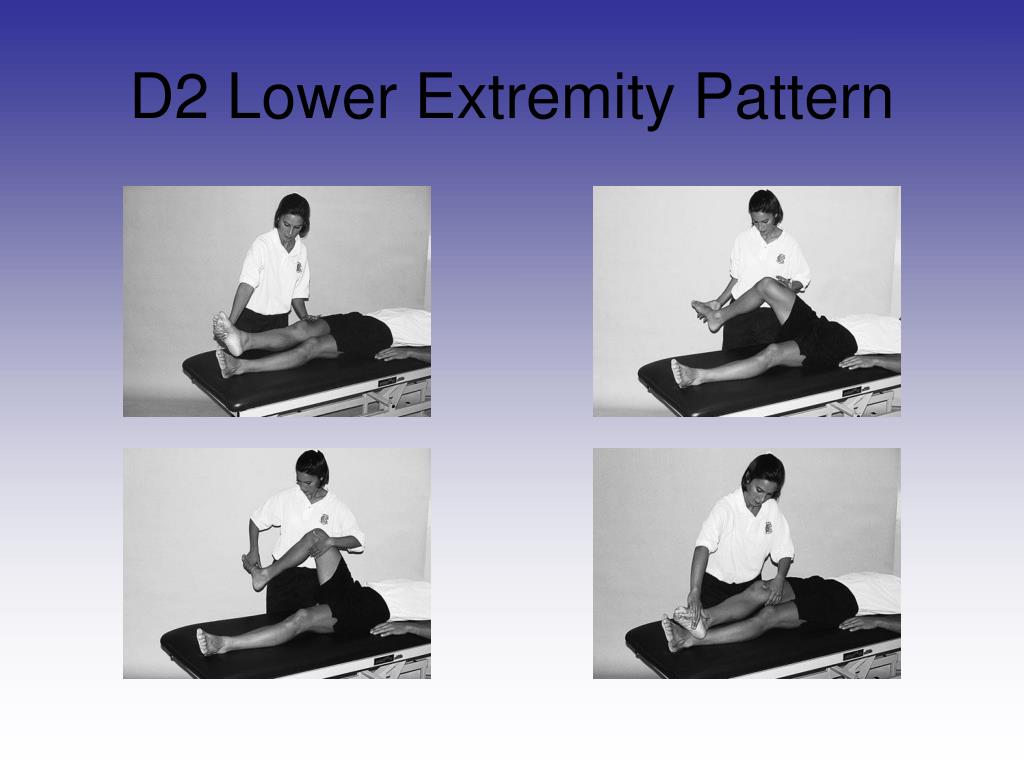
PPT Chapter 15 PNF and Other Soft Tissue Mobilization Techniques in
In Short, The Goal Of Using Pnf Patterns Is To Improve The Neuromuscular System’s Ability To Coordinate Movement.
Web D1 & D2 Patterns Are Part Of Proprioceptive Neuromuscular Facilitation (Pnf) Concepts.
This Will Help Improve The Patients Strength.
Pnf Shoulder Patterns Are Combined Movement Patterns In All Three Planes Of Motion.
Related Post: