
Asa No Ha Pattern
Asa No Ha Pattern - Making it requires first creating a grid of squares out of thin kumiko strips (made of alaskan yellow cedar). Making this first pattern (like many other following steps) made me better appreciate the need for precision. Web the asa no ha, or hemp leaf, is a traditional japanese pattern that appears in many, if not all, of the culture’s traditional arts. 62.5 cm (including edging) back shoulder width: 34.5 cm (including edging) yarn used:. Web kumiko is an ancient japanese woodworking tradition and this asanoha pattern is certainly the most popular. Also, the more infill there is, the longer it takes. One triangle gets filled with 3 pieces. Six triangles are combined together to make regular hexagons in this pattern. In part 1 of three part episode, mike uses specialized paring blocks to create the parts that will fill in the decorative kumiko panel. Consistent precision in early steps (such as milling kumiko strips) leads to ease and peace in later steps. Web 'asa no ha' pattern the asanoha (hemp leaf) pattern is a popular traditional pattern often seen on japanese kimono. The name is said to have come from the pattern’s resemblance to hemp leaves. Web the asanoha pattern is a traditional japanese pattern. Though often people forget about this today, the regular geometric pattern represents overlapping hemp leaves. Making this first pattern (like many other following steps) made me better appreciate the need for precision. Web kumiko is an ancient japanese woodworking tradition and this asanoha pattern is certainly the most popular. This is my crochet version for it. It can often be seen on the japanese kimono. This instructable breaks down the four main parts of this pattern into small, digestible sections. The name is said to have come from the pattern’s resemblance to hemp leaves. No means of, ha means leaf) is one of the most enduring & popular designs in japanese textiles, especially on kimono and in sashiko embroidery. Also, the more infill there is, the longer it takes. Kumiko is a japanese woodworking technique of creating intricate patterns using. I demonstrate making the accompanying jigs as well as making a small sample. Making it requires first creating a grid of squares out of thin kumiko strips (made of alaskan yellow cedar). This is my crochet version for it. Making this first pattern (like many other following steps) made me better appreciate the need for precision. The geometric abstract pattern. No means of, ha means leaf) is one of the most enduring & popular designs in japanese textiles, especially on kimono and in sashiko embroidery. It represents a geometric abstraction of a hemp leaf. It is made up of many hexagons that are divided into triangles. Though often people forget about this today, the regular geometric pattern represents overlapping hemp. 34.5 cm (including edging) yarn used:. It can often be seen on the japanese kimono. One triangle gets filled with 3 pieces. Consistent precision in early steps (such as milling kumiko strips) leads to ease and peace in later steps. Though often people forget about this today, the regular geometric pattern represents overlapping hemp leaves. Six triangles are combined together to make regular hexagons in this pattern. It is made up of many hexagons that are divided into triangles. Today, i'm going to show you how to make the beautiful and simple asanoha pattern. There are more than 7,000 individual pieces in the andon. Making this first pattern (like many other following steps) made me. Though often people forget about this today, the regular geometric pattern represents overlapping hemp leaves. Kumiko is a japanese woodworking technique of creating intricate patterns using multiple pieces of wood. All good things take time, so relax and enjoy the ride. There are more than 7,000 individual pieces in the andon. Making this first pattern (like many other following steps). Web the asa no ha, or hemp leaf, is a traditional japanese pattern that appears in many, if not all, of the culture’s traditional arts. In shoji work, the pattern can be fit to most of the kumiko structures. Web 'asa no ha' pattern the asanoha (hemp leaf) pattern is a popular traditional pattern often seen on japanese kimono. Web. It represents a geometric abstraction of a hemp leaf. Web the asa no ha, or hemp leaf, is a traditional japanese pattern that appears in many, if not all, of the culture’s traditional arts. Web in this video i share my process of how i go about making the kumiko pattern known as asa no ha. Also, the more infill. Today, i'm going to show you how to make the beautiful and simple asanoha pattern. Kumiko is a japanese woodworking technique of creating intricate patterns using multiple pieces of wood. It can often be seen on the japanese kimono. Six triangles are combined together to make regular hexagons in this pattern. Additionally, this pattern holds the meaning of protection against. In shoji work, the pattern can be fit to most of the kumiko structures. Web in this video you can watch the assembly of the asanoha pattern, more precisely how i did it. Web in this video i share my process of how i go about making the kumiko pattern known as asa no ha. Consistent precision in early steps. There are more than 7,000 individual pieces in the andon. Today, i'm going to show you how to make the beautiful and simple asanoha pattern. Also, the more infill there is, the longer it takes. All good things take time, so relax and enjoy the ride. Making it requires first creating a grid of squares out of thin kumiko strips (made of alaskan yellow cedar). Web the asanoha pattern is a traditional japanese pattern. Making this first pattern (like many other following steps) made me better appreciate the need for precision. No means of, ha means leaf) is one of the most enduring & popular designs in japanese textiles, especially on kimono and in sashiko embroidery. In shoji work, the pattern can be fit to most of the kumiko structures. In part 1 of three part episode, mike uses specialized paring blocks to create the parts that will fill in the decorative kumiko panel. This is my crochet version for it. Web in this video i share my process of how i go about making the kumiko pattern known as asa no ha. It can often be seen on the japanese kimono. It represents a geometric abstraction of a hemp leaf. Web 'asa no ha' pattern the asanoha (hemp leaf) pattern is a popular traditional pattern often seen on japanese kimono. Kumiko is a japanese woodworking technique of creating intricate patterns using multiple pieces of wood.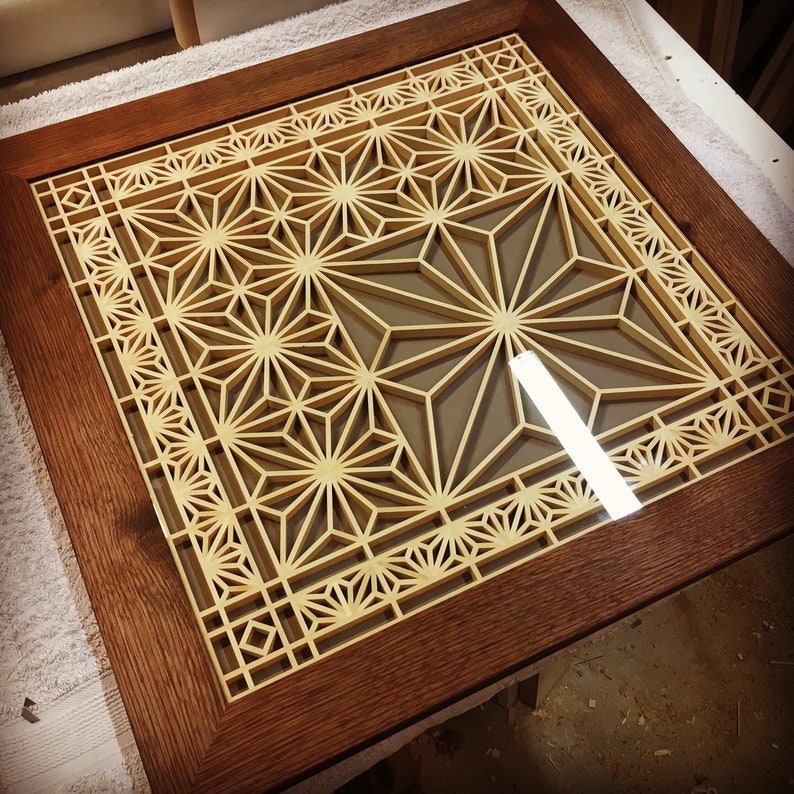
Wall art Asanoha kumiko pattern Etsy
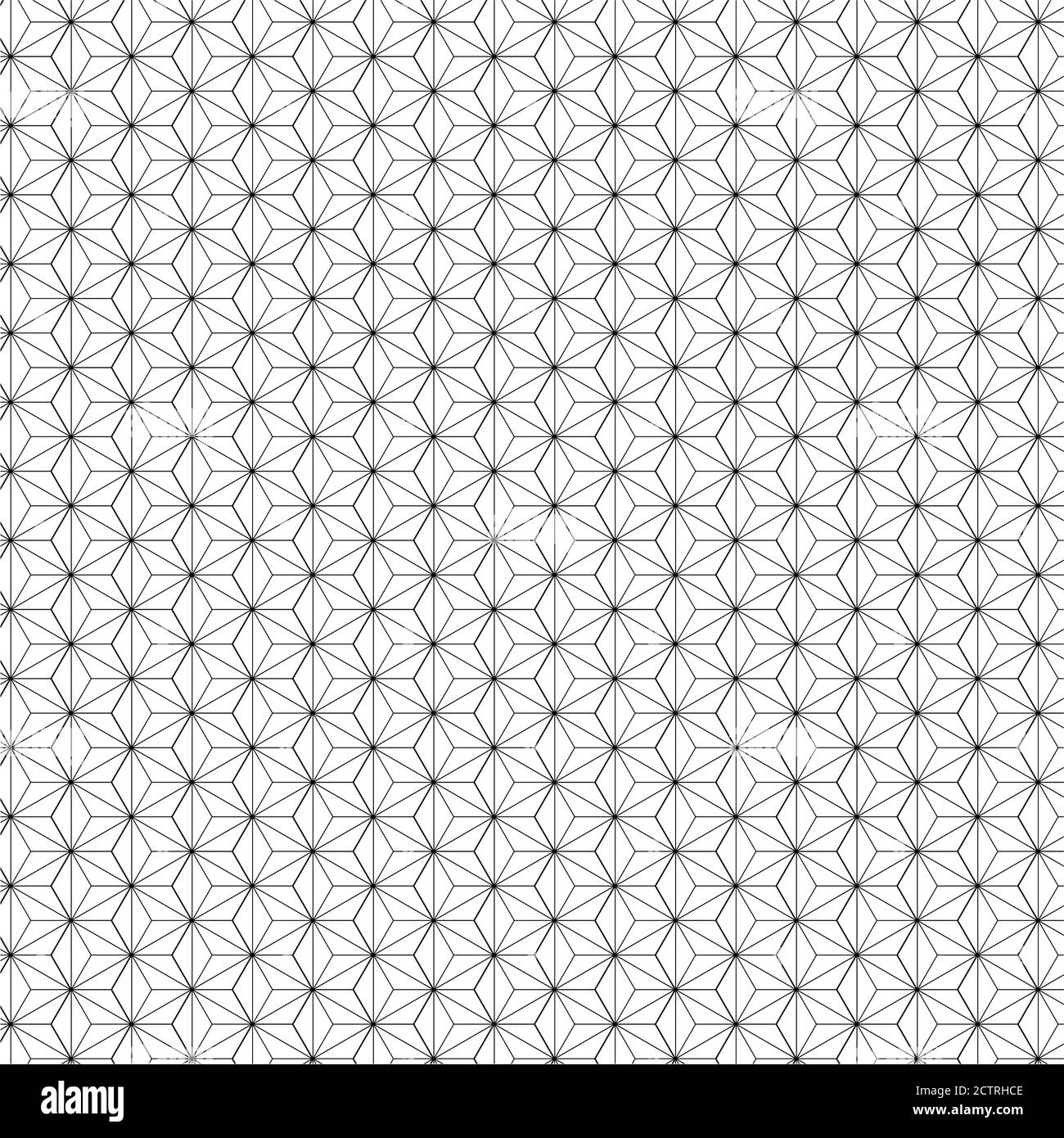
Asa no ha pattern aka Hemp seed pattern vector, Asanoha Japanese motif
Asa no ha hires stock photography and images Alamy
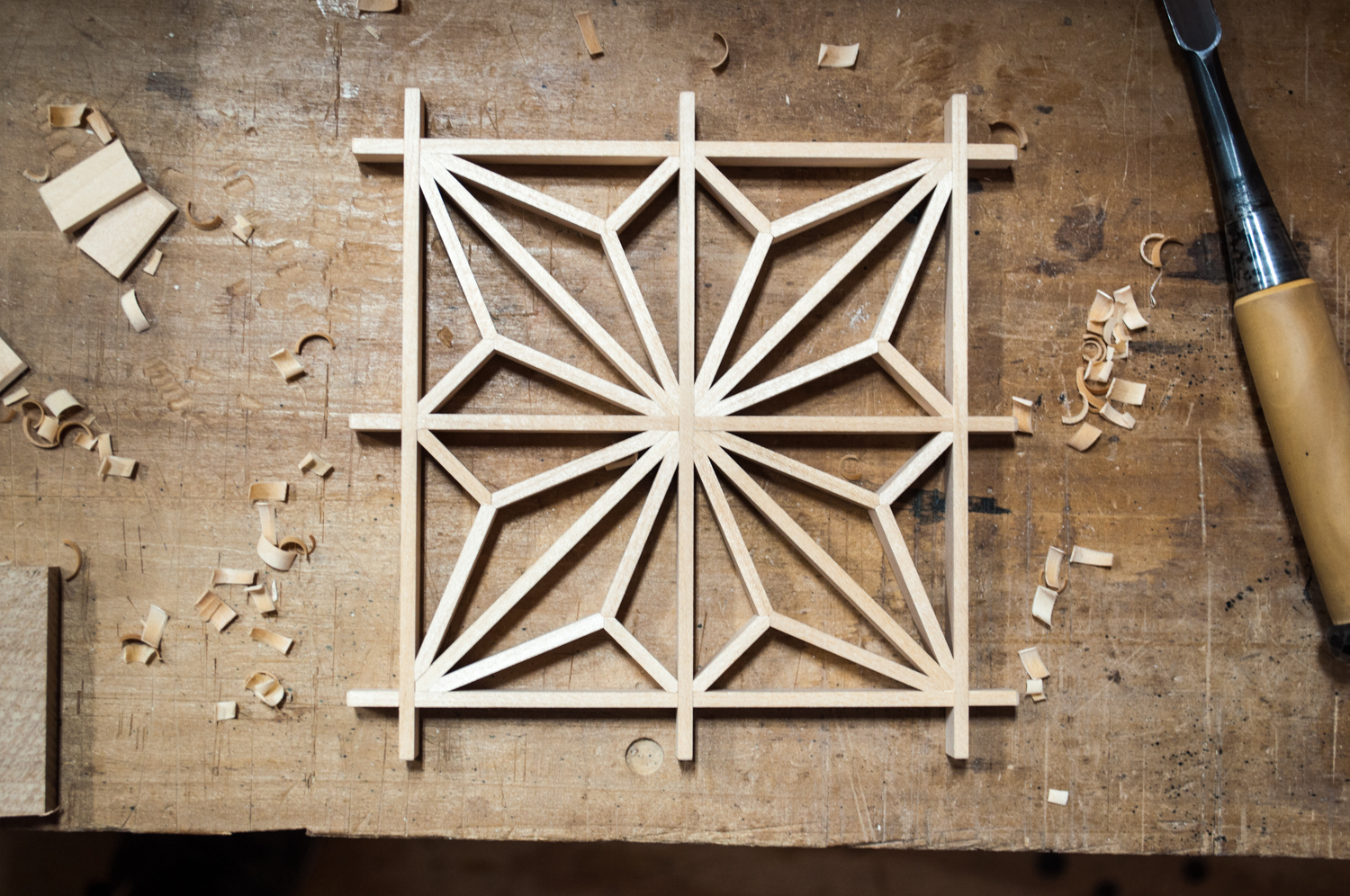
Kumiko Class February 18, 2018 at Mokuchi
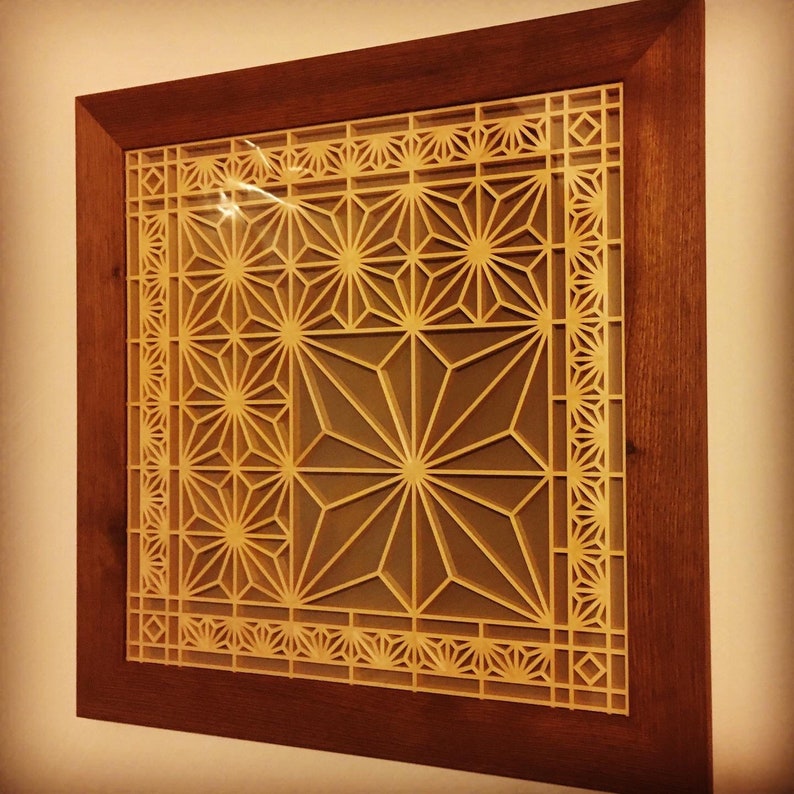
Wall art Asanoha kumiko pattern Etsy

ashanoha Geometric pattern design, Pattern, Japanese patterns

Traditional Wooden Kumiko Pattern Asanoha, Hemp Leaf Stock Photo

Pin on Kumiko
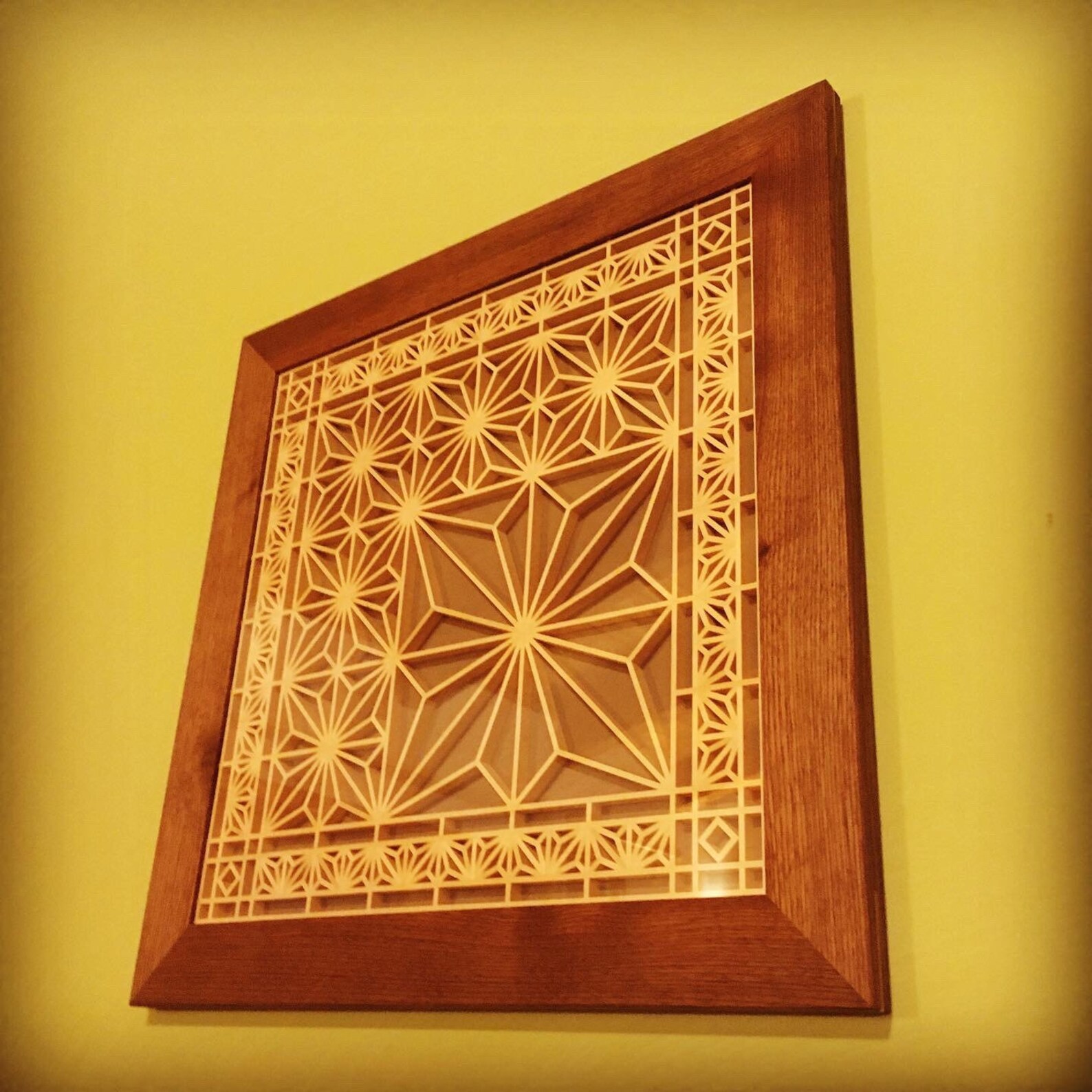
Wall Art Asanoha Kumiko Pattern Etsy UK
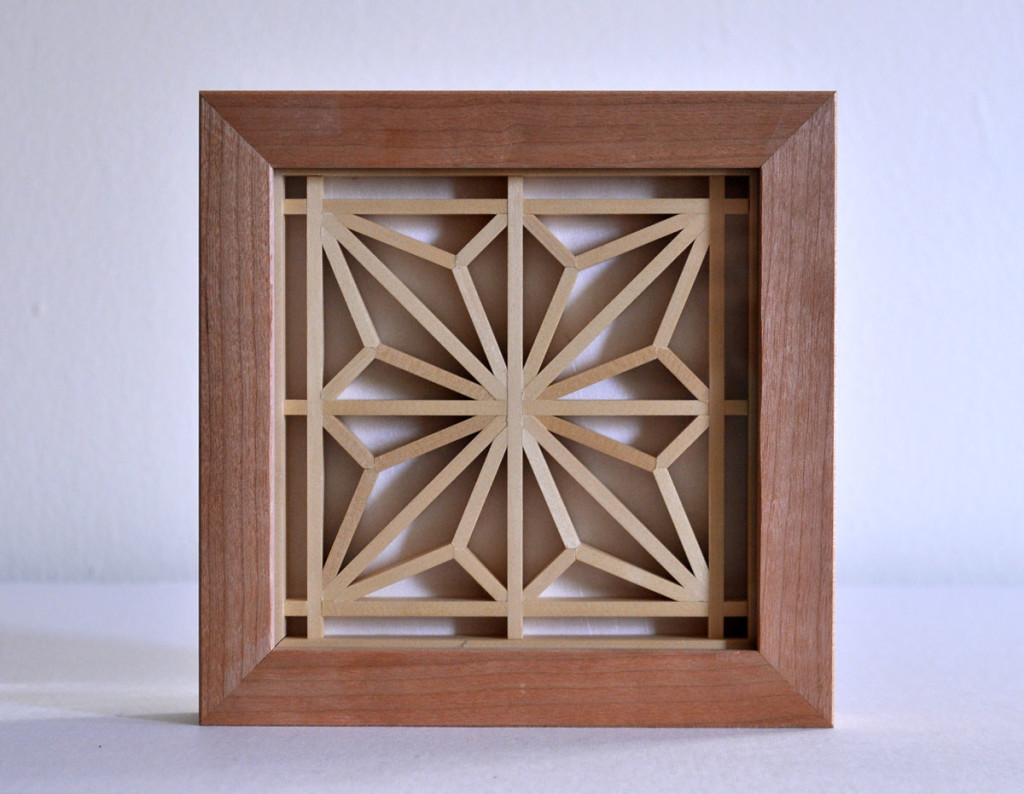
Asanoha Kumiko Class Sept. 23 at Mokuchi Studios
62.5 Cm (Including Edging) Back Shoulder Width:
Asanoha Kumiko Pattern In A Triangular Grid.
Consistent Precision In Early Steps (Such As Milling Kumiko Strips) Leads To Ease And Peace In Later Steps.
The Name Is Said To Have Come From The Pattern’s Resemblance To Hemp Leaves.
Related Post: